Image
With more than 30,000 employees, thousands of students, and tens of thousands of visitors, Duke University and Health System generate significant demand for transportation. Meeting that need requires the use of public transit and alternative modes of transportation. Vehicle use contributes to traffic congestion, high infrastructure costs, and pollution. At Duke, we are striving to increase the convenience and incentives for commuters using alternative modes of transportation in order to achieve carbon neutrality, preserve green space and prevent congestion.
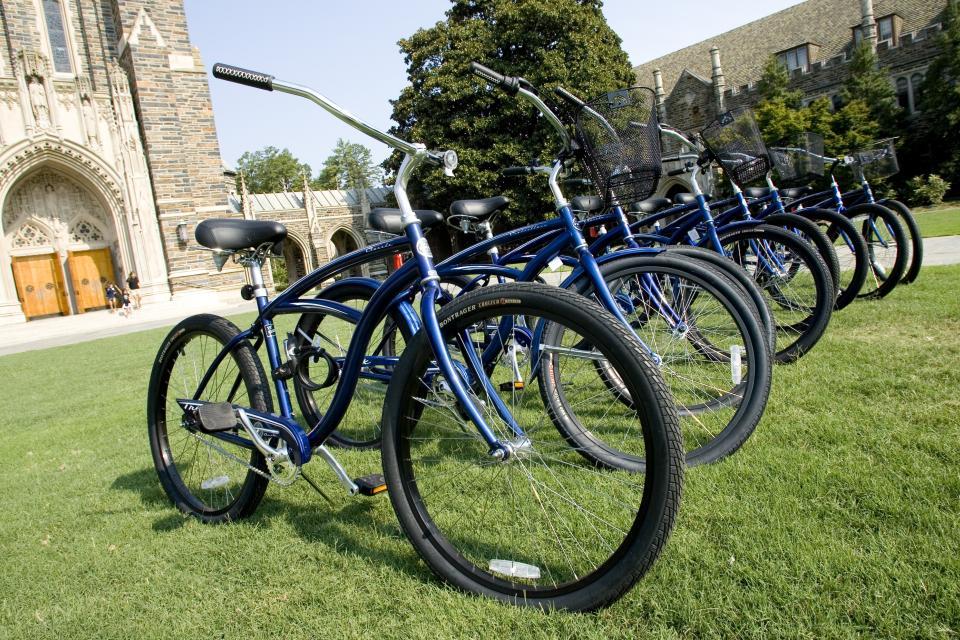
Duke has a variety of ways to get around campus. Whether it is one of the buses that service a dozen routes or carpooling/vanpooling options, you are likely to find an alternative way to and from campus. For a complete list of alternative transportation options, see the list below:
To help navigate local on and off campus alternative transportation, please download the Transloc and other mobile apps, which provides real-time location of buses and their schedules.
Duke continually works to influence employee decisions on how they commute to campus. However, drive-alone rates often float up and down in conjunction with external factors such as gas prices, housing options, and regional transportation options.
In FY19, Parking and Transportation (PTS) broadened their efforts to provide robust alternative transportation options across all modes. PTS supports carpool, vanpool, bus, bike, walk, car-share, and scooter trips. Anyone with a Duke email address can register for a free GoPass to access any of the GoTriangle regional buses.
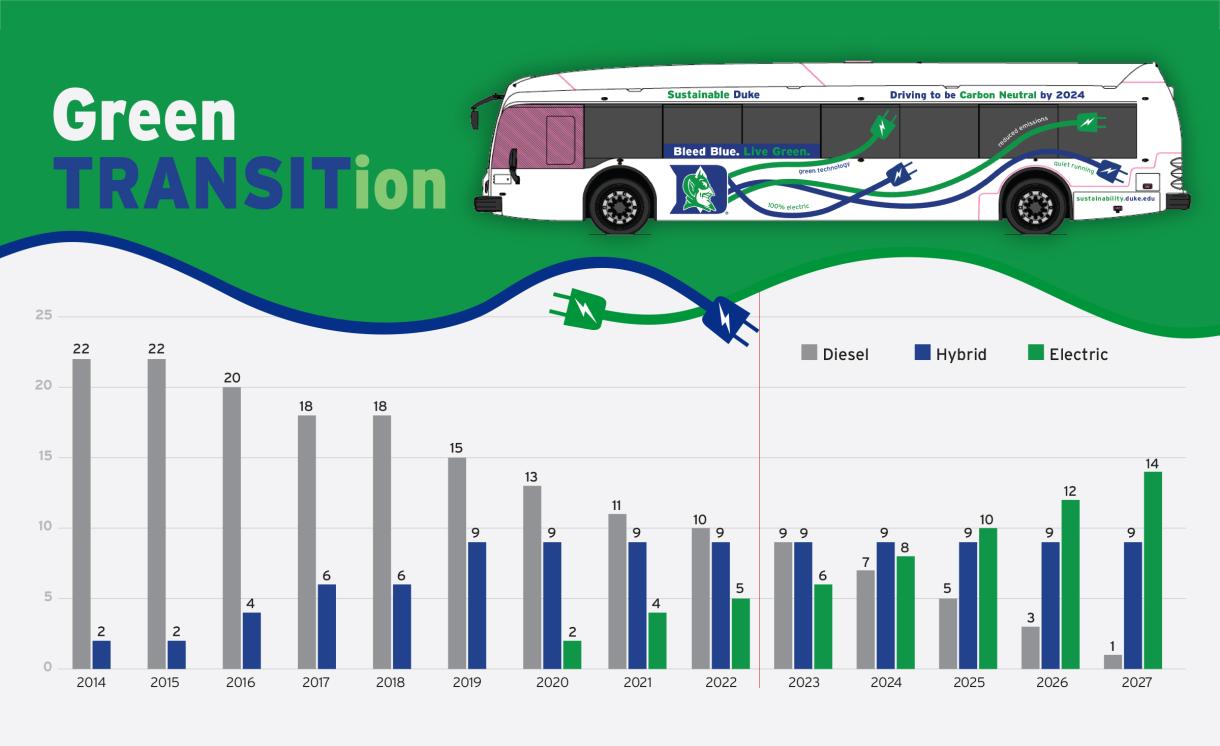
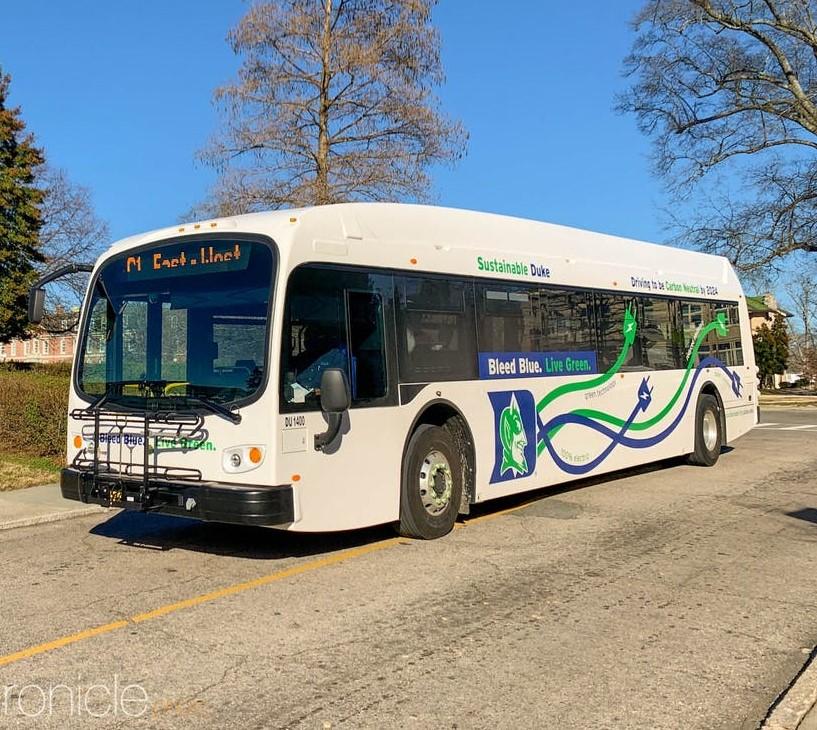
PTS has also been transitioning to electric buses for its on-campus fleet, which will reduce both costs and emissions over the coming years.